You have seen enough tables to know that most players misread the wheel before they place a single chip. The mistake is assuming the compartments line up in a neat ring when they actually follow a split, offset layout that changes how bets pay out. That confusion drives half the complaints I hear from punters who think they understand the game but do not. When you hear players talk about tiers du cylindre roulette Australia, they are usually pointing at that same layout problem without naming it properly. I have spent thirty years designing games, and I can tell you the wheel is never as simple as the picture on the felt.
The experienced punter who thinks they already know it all is usually the one who loses track of where the ball actually lands relative to their chips. You want a seat that shows the real geometry, not a pretty graphic that hides the gaps. A proper layout will let you trace the split sections without squinting at a screen that refreshes too slowly. I judge a table by whether I can count the compartments in a single glance, and most online versions fail that test on purpose. If you are weighing entertainment against a tight budget, you should treat every session like a measured expense, not a spontaneous splurge.
Does the wheel layout change your bet?
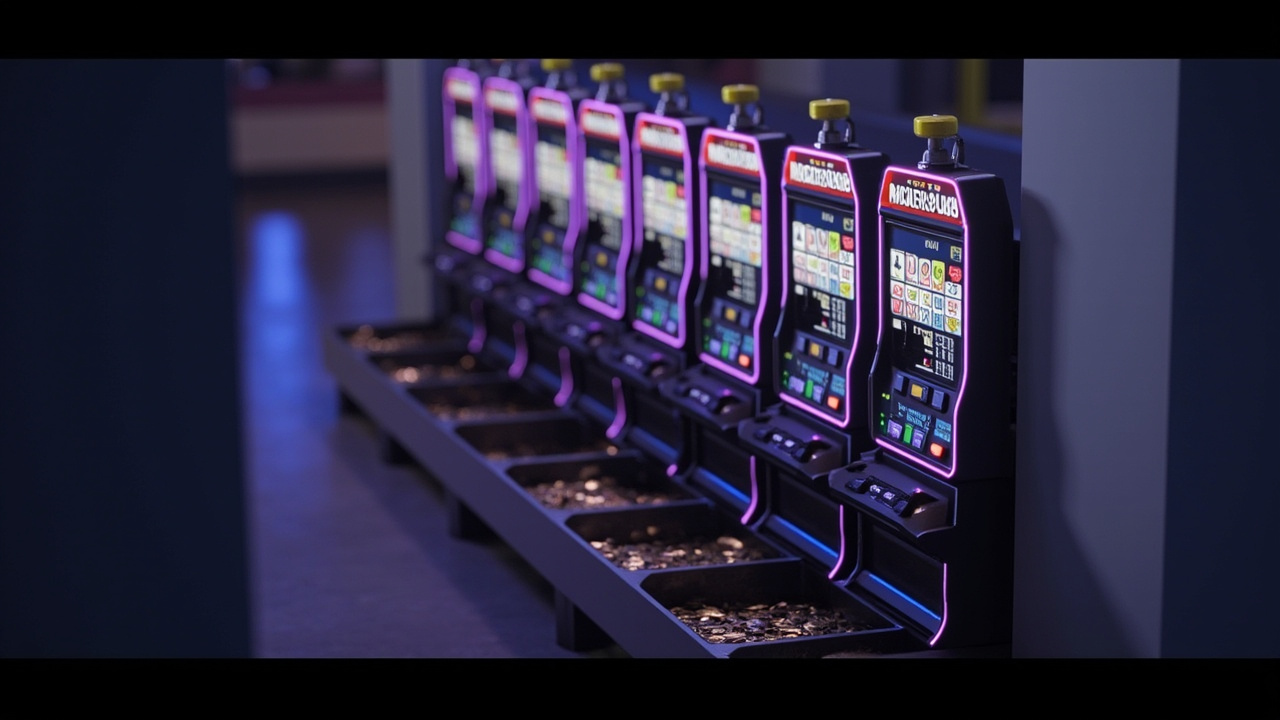
The compartments on a standard wheel run in a split sequence that pairs reds and blacks in a pattern no casual player memorises. You can verify the order by tracing the numbers around the rim instead of trusting the table diagram on the screen. A sensible check takes about ninety seconds, and you should do it before you commit any stake. I design my own tables so the split sections sit where a player can actually see them, because hidden geometry is a bad habit. When you look at tiers du cylindre roulette Australia from that angle, the layout stops being a mystery and starts being a map.
Some operators show the wheel from a fixed camera angle that flattens the depth and makes adjacent numbers look further apart than they are. You can test that by placing a marker on two numbers that sit next to each other on the rim and watching whether the on-screen positions match. If the visual distance does not match the real sequence, you are playing with a distorted map. I have seen designs that shuffle the perspective just to make the wheel look cleaner, and I would not trust a table that lies about its own shape.
How do split sections actually pay?
A split bet covers two numbers that share a border on the layout, and the payout stays fixed regardless of how the wheel is photographed. You should confirm the pay table before you press spin, because a display that hides the odds is a display you should walk away from. I run a simple rule in my own work: if the pay table is not visible in the first five seconds, the table fails the user. That rule keeps the geometry honest and keeps the player from guessing. When you read tiers du cylindre roulette Australia in practice, the payout structure is the part that matters most.Reddit
The real trade-off is that a split bet lowers your hit frequency while keeping the same return per win. You can measure that trade-off by tracking how many spins it takes to see a covered number come up, and you should write that down instead of relying on memory. A disciplined session records the count, the stake, and the result, because memory bends under pressure. I have built games where the split sections are obvious on purpose, and I did that because players deserve to know what they are covering.
Can you map the compartments yourself?
You can map the compartments by dramichellefurlan.com.br writing the number sequence around a circle on a bit of paper and marking where your chips sit. That exercise takes about ten minutes the first time and less than two minutes once you have done it twice. I ask every designer I work with to do the same exercise, because a layout that cannot be sketched by hand is a layout that hides something. The sketch does not need to be pretty; it needs to match the actual sequence on the wheel. When you cross-check tiers du cylindre roulette Australia against your own sketch, you will spot the gaps that a screen glosses over.
A useful condition is to stop mapping once you have the full sequence and start testing your bets against it. You should run a small check stake on a split you have already marked, then watch whether the result matches your map. If the result does not match the map, you have either misread the layout or the table is presenting a distorted view. I treat any mismatch as a signal to step back, because a wheel that contradicts its own sequence is not a wheel I would trust.
What should a serious punter check first?
A serious punter checks the pay table, the wheel angle, and the speed of the spin before placing a single chip. You can do that in under a minute if the table is built honestly, and you should not accept a table that hides any of those three things. I have reviewed hundreds of layouts, and the ones that survive are the ones that show the geometry without making you hunt for it. A table that forces you to dig for the basics is a table that wants you to play blind. When you hear tiers du cylindre roulette Australia discussed seriously, the talk always comes back to those three checks.
The checkable limit is simple: if you cannot see the pay table and the wheel sequence in the same glance, you are not ready to stake. You should close the table and find one that presents both without making you scroll or zoom. I have seen players lose track of the sequence because the screen refreshed at the wrong moment, and that is a design fault, not a player fault. A honest table keeps the sequence and the pay table steady while the ball moves.
How does the local scene shape the habit?
Aussie pubs run “Friday night raffles” as a social ritual, and that rhythm teaches people to expect a quick draw with a fixed prize pool. You can see the same habit show up when punters treat a roulette session like a short, fixed entertainment block instead of an open-ended drift. The comparison matters because a raffle has a clear end point, and a roulette table that does not respect your time limit is a table you should leave. I design sessions with a hard stop in mind, because an endless wheel is a bad fit for a budget that already feels tight. When you bring tiers du cylindre roulette Australia into that mindset, the game becomes a measured night out rather than a wallet drain.
The cost-of-living pressure in places like Cairns means a lot of players are working with a strict entertainment budget after payday. You can see that in the way locals plan a night around a set spend and then watch the clock instead of chasing a feeling. I have watched Cairns punters treat a session like a scheduled outing, with a hard stop and a clear exit, and that discipline is the only thing that keeps the game fun. A table that encourages drift is a table that works against that local rhythm. If you are weighing your own budget, you should decide the exit before you sit down, not after the first bad spin.
Where does the online version fit in?
The online version fits in as a convenience layer, not a replacement for the geometry you should already understand. You can use a site like fun at rollxo to test the layout without leaving your chair, but you should still verify the sequence and the pay table before you stake. I treat any online table as a tool that must pass the same hand-sketch test I use on a physical wheel. If the screen hides the sequence or slows the refresh, you are not getting a better view; you are getting a prettier blind spot. When you compare tiers du cylindre roulette Australia across a screen and a sketch, the sketch usually tells the truth faster.
A sensible condition is to run a short trial with a small stake and record whether the results match your mapped sequence. You should write down the stake, the spin count, and the result, because a trial without a record is just a feeling. I have seen players swear a table felt off only to discover they never wrote down the sequence in the first place. A recorded trial turns a suspicion into something you can actually act on.
What do seasoned players actually ask?
- Does the wheel sequence match the pay table on this screen?
- Can I see the split sections without scrolling or zooming?
- Is there a hard stop I can set before I stake?
Those three questions cover the geometry, the display, and the time limit, which is where most sessions go wrong. You should answer each one before you press spin, because a table that fails any of them is a table you should walk away from. I ask the same three questions on every layout I review, and I reject the ones that cannot answer them clearly. When you bring tiers du cylindre roulette Australia into that checklist, the game stops being a mystery and starts being a managed session.
The answers should be concrete, not vague, because a vague answer is usually a sign that the table is hiding something. You can verify the sequence yourself, you can judge the display with your own eyes, and you can set the stop before you sit down. I have built games where those three answers are visible in the first few seconds, and I did that on purpose because players deserve a clear start. A table that makes you hunt for the basics is a table that wants you to play blind.
How do you keep the session honest?
You keep the session honest by recording the stake, the spin count, and the result for every split bet you place. That record takes a minute per spin and gives you something real to look at when the session ends. I have seen players blame the wheel when the real problem was a memory that bent under pressure, and a written record fixes that instantly. A honest session does not rely on feelings; it relies on numbers you wrote down yourself. When you read tiers du cylindre roulette Australia in that light, the game becomes a record-keeping exercise with a wheel attached.
A useful trade-off is to accept a lower hit frequency in exchange for a clearer map of where your chips actually sit. You can measure that trade-off by comparing your recorded hit count against the sequence you sketched earlier, and you should do that after every session. I design my own tables so the split sections are obvious on purpose, because a player who can see the map is a player who can manage the risk. A table that hides the map is a table that takes away your ability to judge the session.
A player I worked with in Cairns once told me that the only way he kept a night out from turning into a wallet drain was to set the exit before he sat down and stick to it. That single habit cut his bad sessions in half because he stopped chasing the feeling after the first bad spin. I have seen that same habit work in other places where the budget is tight and the night has a fixed cost. A clear exit is not a sign of weakness; it is the only thing that keeps the game fun when the money is real.
Leave a Reply